

Among the rich social traditions imported with Germans, dancing was paramount. Every celebration and ceremony was accompanied by a ball, and there were dances between the balls. Even before Hermann Sons had its own hall, the lodges held regular dances on borrowed dance floors, from Beethoven Hall to Muth’s Garden, and others. When plans were underway for the present-day home association building, a dance floor was assured. At the time there were about 1700 San Antonio members who might partake.
Hermann Sons Hall would eventually have a variety of dance floors to meet seasonal needs. The 2nd floor ballroom with its magnificent stained glass window was the mainstay. In 1913, the lovely Hermann Sons Gardens opened and harbored many a dance over several decades. The original ballroom was enlarged in 1939 to accommodate growing membership, and the 1949 bowling alley expansion ushered in the building’s liveliest dance era with rooftop dances throughout the week. Even the Rathskeller Bar has had its rug cut.
The first dance in Hermann Sons Hall was a Leap Year Ball given by the Vineta lodge on Saturday, May 11, 1912. Tickets were 25 cents.
Almost immediately ads were placed in the local paper announcing that the ballroom was available for rent. The first non-Hermann Sons event was a May 1912 ball given by the brigade commander of the Texas National Guard to celebrate the mustering in of guardsmen of the newly organized San Antonio company.
In July 1912 the Junior Hermann Sons organization formed and added their own monthly dances to the calendar.
The dances apparently provided steady work to the live orchestras and bands that accompanied each shindig. The music of band leader Theo Artzt, or his son Eugene, was regular at the earliest dances.
Given the multitude of dances throughout the months, the dance lineup called for variety and followed fashionable fads of the day.
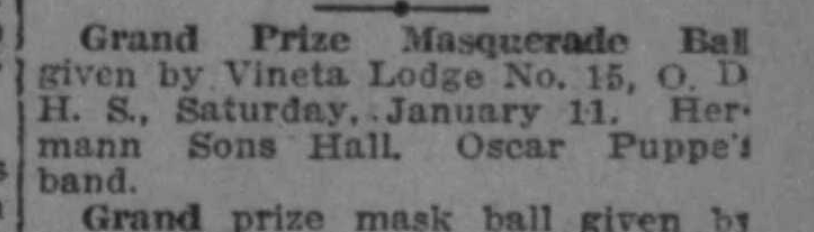
The most predictable theme dance was the “mask ball” or “masquerade ball” which seemed nearly obligatory during “masquerade season” in January and early February. Many were billed as “grand prize masquerade ball.” The Siemering and Vineta lodges could be counted on to throw an annual mask ball, a tradition that endured for years.
Other once-common dances themes have become less common in modern dancehall vernacular, but there was a time when a variety of theme dances were common in the lineup. Theme dances tended to be more casual and may have been a welcomed break from the typical dancing attire.
- Calico Ball – Calico balls dotted the early Hermann Sons dance lineup. The calico ball theme is said to have originated in New York City in an 1855 event at which women were encouraged to wear a low-cost dress of simple calico fabric that would be donated to the poor after the party. Fancy clothes were undesired at these events. The theme spread across the country and found its way to San Antonio by the early 1900s.
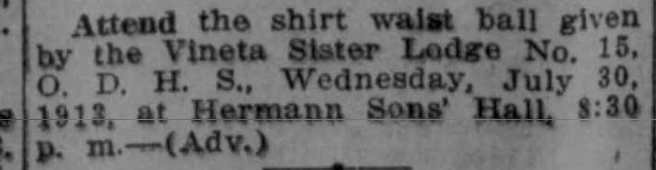
- Shirtwaist Dances – Shirtwaist dances became popular around the turn of the century, as the shirtwaist had become a popular style of women’s clothing. A shirtwaist was modeled after men’s shirts, and may have been related to the growing number of working women and changing women’s roles. Several of the first Junior Hermann Sons dances in our ballroom were shirtwaist balls.
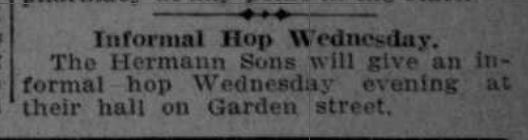
- Hop – We all know about 1950s “Sock Hops” but a “hop” was a common dance theme many decades earlier and may even date back to the 1700s. A hop was traditionally an informal, even “low class” event and so named because of the frenzied hopping of dancers.
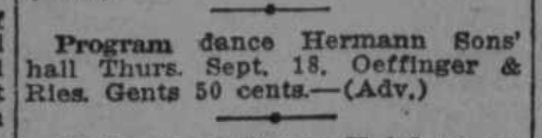
- Even “ladies nights” existed, decorously referred to in the ticket price as “gents: 50 cents” and no price specified for women.
The dancing tradition continues at Hermann Sons Hall. Swing dances with live big bands still occur monthly, and others are planned from time to time. Stay tuned for country-western and cajun dances planned for early 2025 – everyone is invited.


by Jennifer Stanford | posted September 25, 2024
All rights reserved.
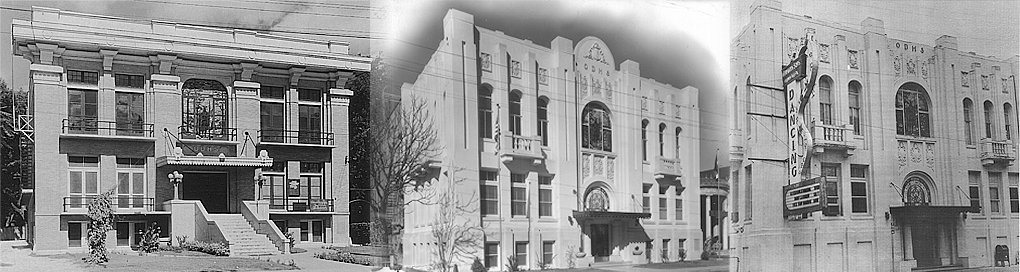
 Hermann Sons Hall
Leave a comment